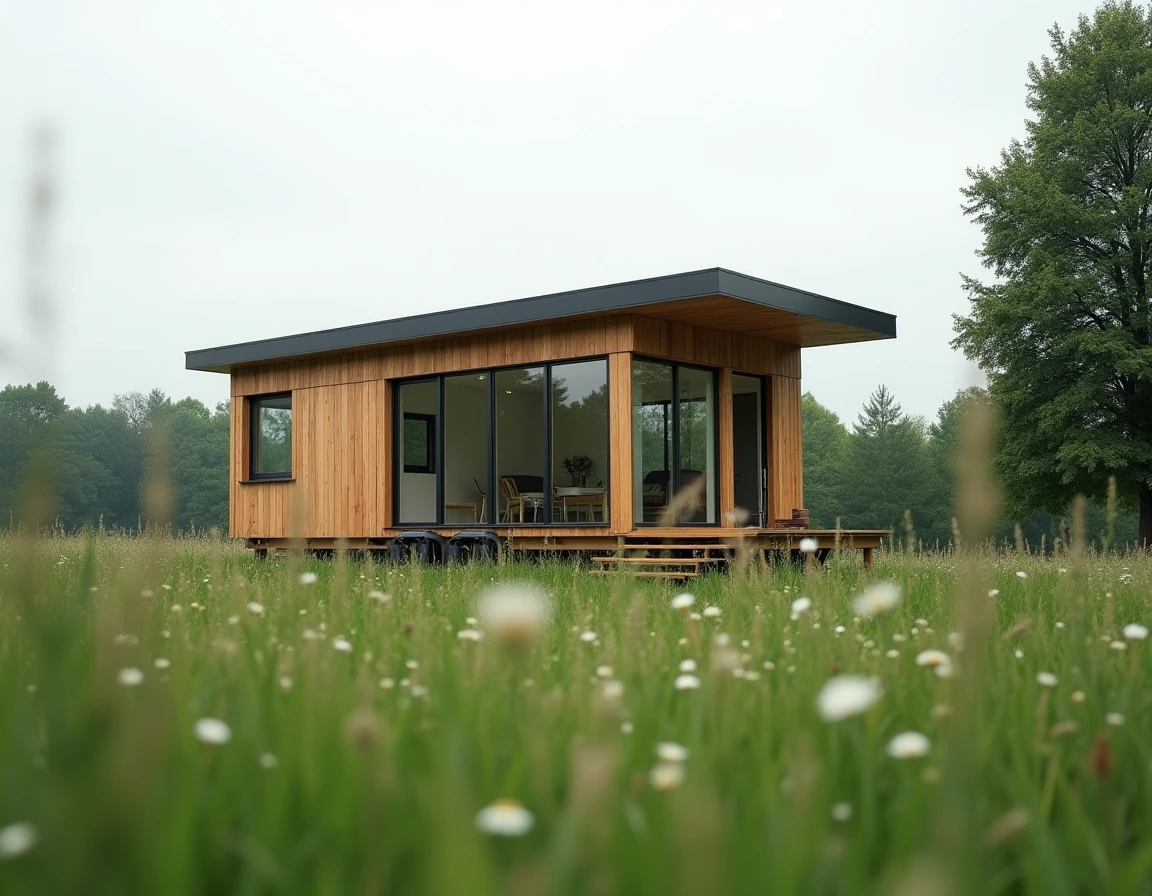
The French tiny house market has long operated on a craft model, with local builders offering custom habitats at very variable prices. Since 2024, My Little Group, a company based in Lyon, has been attempting to industrialize this segment by offering turnkey micro-habitats. This approach relies on standardizing product ranges and positioning towards rental investment, two axes that modify the pricing logic of the sector.
Rising Construction Costs and Standardization Strategy at My Little Group

The wood construction market in France has been under pressure since 2024 regarding material and labor costs. Insulation, frameworks, carpentry: expense items have significantly increased, prompting several tiny house manufacturers to revise their offerings.
My Little Group has responded to this inflation with a standardization of its ranges and a reduction in custom options. Instead of offering fully customizable configurations, the company focuses its catalog on “packaged” models, from compact garden studios to more spacious formats. This pooling of supplies allows for negotiating raw materials in bulk and maintaining contained prices compared to a craftsman working on a unit basis.
Several analysts in the modular construction sector note that this industrialization strategy, while compressing costs, also reduces the customization margin for the buyer. An article detailing the pricing of My Little Group helps to position these rates against the competition.
Tiny House “Ready to Rent”: A Pricing Model Focused on Investors
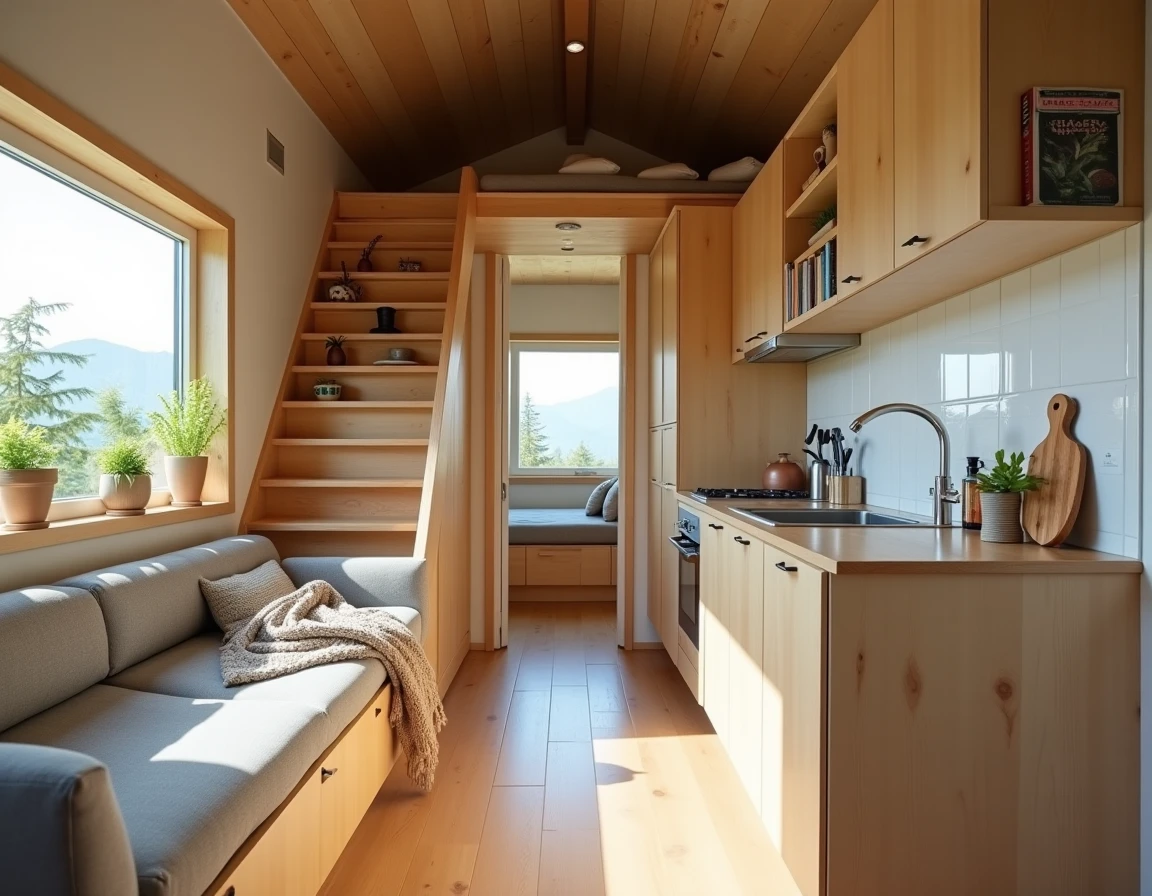
The most notable shift at My Little Group does not concern the product itself, but its business model. The company has developed a “turnkey investor” offer where the tiny house is delivered, installed, and sometimes managed by a property manager. This type of package often includes a rental performance commitment, even a commercial lease with a target yield.
This positioning changes the very nature of the displayed price. The price is no longer that of a habitat, but that of a rental asset. The buyer no longer compares the tiny house to a traditional home or a mobile home, but to a real estate investment with an expected return rate.
Field feedback varies on this point. Some investors report high rental performances in well-located tourist spots. Others emphasize that profitability heavily depends on external factors:
- The location of the land and seasonal rental demand in the area
- The local regulatory framework (PLU, zoning, permitted occupancy duration)
- Management and maintenance costs, which can significantly reduce the net margin
The available data does not allow for confirming a typical yield applicable to all projects. The announced profitability depends on the site as much as on the product.
Regulatory Compliance of Tiny Houses and Adaptation to PLU
One aspect rarely addressed in price comparisons concerns regulatory compliance. In France, a tiny house on wheels theoretically falls under the regime of mobile leisure residences or removable residences, depending on its duration of occupation and connection method.
My Little Group adapts its models (dimensions, connections, energy autonomy) to remain compliant with local PLU and PLUi requirements. This adaptation has a direct cost on the final price. A model compliant with the “removable residences” zoning incorporates technical constraints that a tiny house sold without a guarantee of legal installation does not bear.
Concretely, the adjustments focus on several points:
- The road dimensions (width, height, total weight) to maintain trailer status
- Autonomous sanitation systems or connections to municipal networks
- Insulation and ventilation compliant with current habitability standards
Comparing My Little Group’s prices to those of a builder who does not guarantee regulatory compliance amounts to comparing two products of different natures. The cost of compliance is included in the price, not charged as an extra.
My Little Group Tiny House Against the Market: What Prices Don’t Reveal
The catalog price of a tiny house, regardless of the manufacturer, reflects only part of the actual budget. The land (purchase or rental), connections, transport, exterior development, and any local taxes add to the bill.
My Little Group, by offering integrated packages (delivery, installation, operational setup), attempts to reduce this pricing gray area. However, this vertical integration makes direct comparison with a “product only” builder misleading. The displayed price covers services that others charge separately or leave to the buyer’s responsibility.
The tiny house market in France remains young and poorly standardized. Price discrepancies between manufacturers reflect both quality differences and incomparable service scopes. Comparing prices requires precisely listing what each offer includes, from transport to administrative compliance.
My Little Group’s approach, centered on standardization and rental investment, helps to structure a segment that has until now operated in a dispersed manner. The open question remains whether this industrialization will also benefit buyers seeking simply an alternative habitat, without a yield logic.