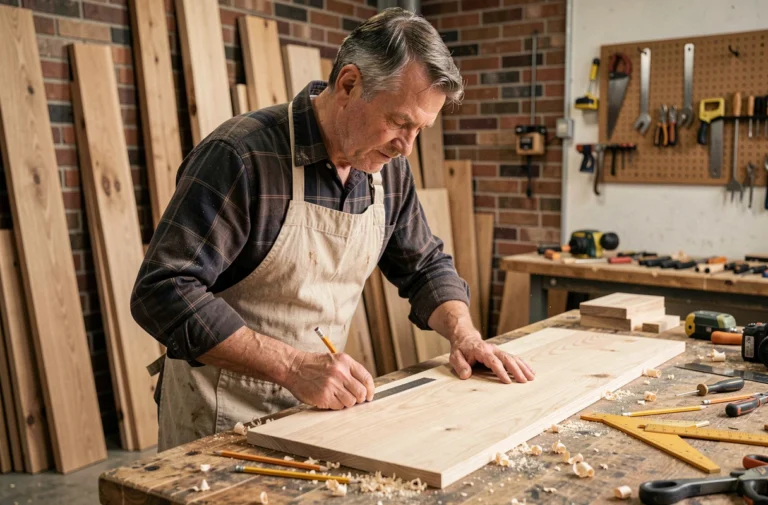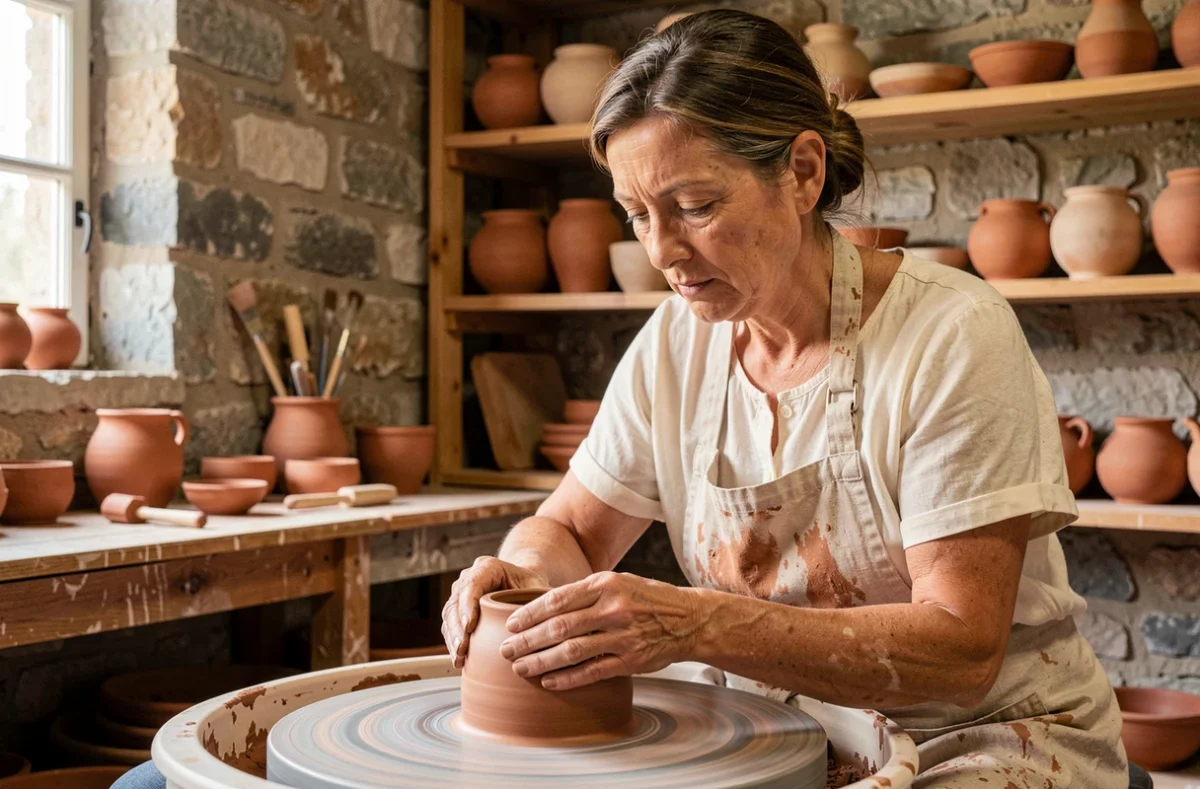
Behind every French handcrafted object lies a unique journey, shaped by technical choices, economic constraints, and a determination to master a skill. The portraits of artisans help us understand what distinguishes manual production from industrial manufacturing, going well beyond the discourse on authenticity. They also reveal a less visible reality: that of a sector under pressure, where passion is not always enough to compensate for structural difficulties.
The state of French craftsmanship in 2026: what the portraits don’t show
The stories of artisans highlighted in the media celebrate success, mastered techniques, and the pride of handmade goods. This spotlight makes sense, but it masks a deteriorating economic context.
The barometer from CMA France, published on September 3, 2026, presents a clear finding: pessimistic artisans now outnumber the optimistic ones. Economic instability, inflation, and the political context are among the primary sources of concern. Investment and hiring intentions are declining.
Have you noticed that the portraits of artisans rarely mention their margins or expenses? On the L’Atelier Singulier website, the published stories give voice to creators about their journeys and manufacturing choices, allowing for a deeper understanding beyond a mere showcase.
A portrait that documents financial trade-offs, sacrifices, or shifts in activity offers a much more useful perspective than a polished narrative. The reader considering entering a craft profession or supporting a local workshop needs this transparency.
Transmission of artisanal know-how: the fragile link
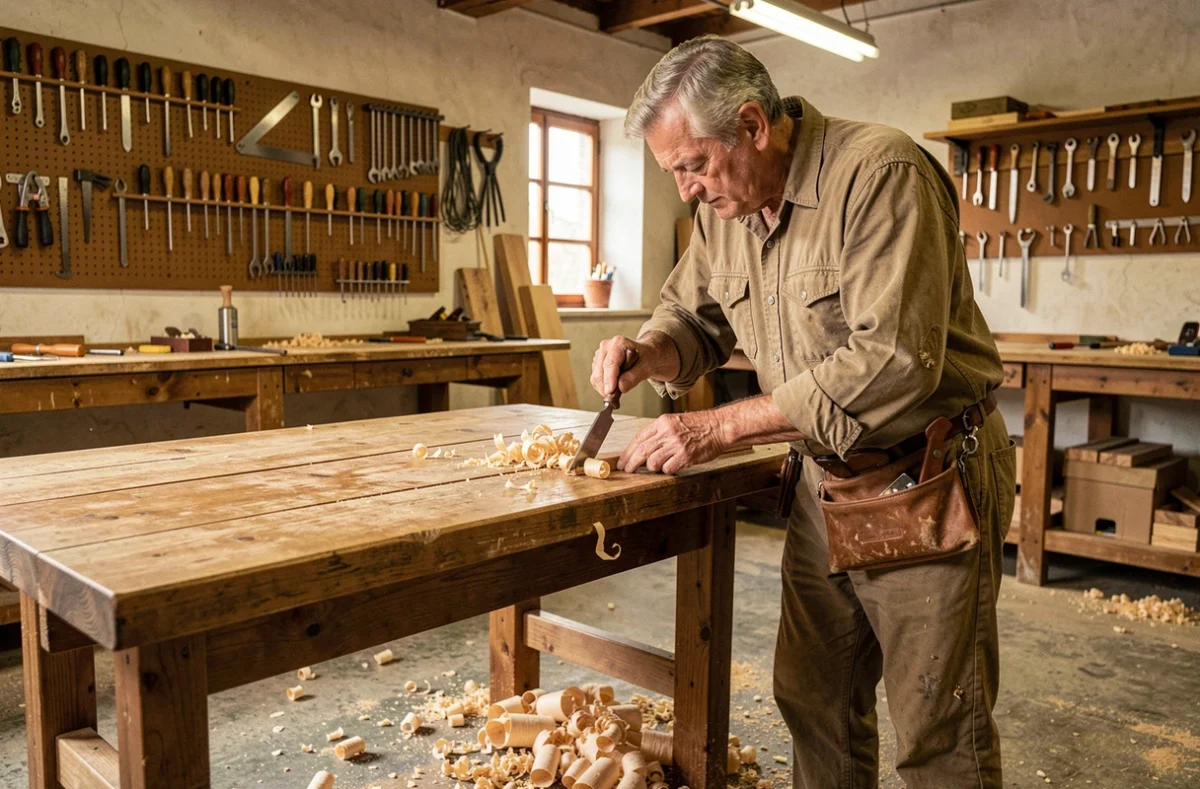
Transmission is the tipping point for the future of craft in France. When an artisan retires without a trained successor, a skill disappears, sometimes irreversibly.
The transmission of artisanal businesses remains insufficiently prepared, according to data from CMA France. This observation is compounded by a slowdown in apprenticeships after several years of growth, as confirmed by data from CMA Centre-Val de Loire in its 2025 overview.
What makes artisanal transmission so complex
A craft profession is not just a technical sheet. It relies on skills acquired in real situations, built over years of practice. Ceramics, marquetry, and metalwork involve a bodily memory that no manual can replace.
- The actual learning time often exceeds the formal framework of a diploma: a woodturner or a gilding artist takes several years to master complex finishes.
- The cost of taking over a workshop (specific tools, raw material stock, commercial lease) deters candidates, especially in rare trades.
- Geographical location plays a direct role: a workshop located in a rural area struggles to find apprentices, while a Parisian workshop bears high rental costs.
These constraints explain why some French skills now have only a handful of practitioners. The portraits of artisans that document this reality provide a real service: they draw attention to endangered trades before it’s too late.
Anatomy of a successful artisan portrait: the criteria that matter
Not all portraits are created equal. Some skim the surface, featuring beautiful workshop photos and inspiring quotes. Others dig deep enough for the reader to leave with a real understanding of the craft presented.
The technical gesture as a guiding thread
A good portrait shows the process, not just the result. Take an enameler: describing the steps of preparing metal oxides, the constraints of firing, and the controlled accidents adds value that the reader won’t find on a product sheet.
The technical vocabulary, explained simply, grounds the narrative in reality. A portrait that talks about “chamottage” while explaining that it involves adding crushed terracotta to clay to prevent cracks gives the reader a concrete reference. A portrait that relies solely on “passion” and “authenticity” remains empty.
The economic choices and their consequences
The price of a handcrafted object reflects precise trade-offs: choice of raw materials, manufacturing time, distribution method. A portrait that explains why a stoneware bowl costs five times more than an industrial bowl, detailing the hours of work and the cost of glaze, educates the consumer.
- The origin of raw materials (tanned leather from France, wood from managed forests, natural pigments) directly impacts the cost and final quality.
- The choice between direct sales in the workshop, craft markets, and online platforms alters margins and the customer relationship.
- The decision to work alone or with apprentices changes the scale of production and the ability to meet orders.
An artisan who explains their pricing choices legitimizes the entire profession. Portraits that address this economic dimension break the romantic image to establish a lasting understanding.
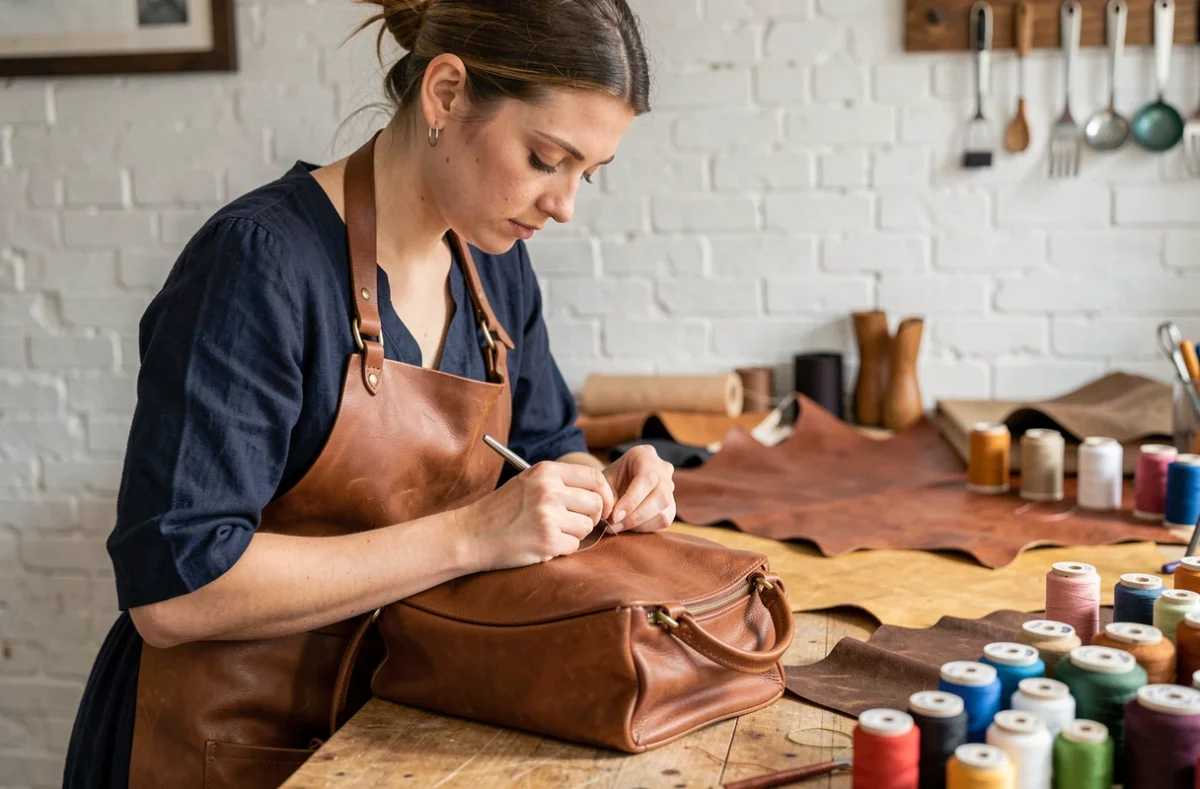
Artisan crafts and French heritage: rare trades to document
France counts dozens of classified craft trades, from leather gilding to instrument making. Some of these trades have only a few active artisans across the country.
Portraits focused on these rare trades serve a memory function. An article about a parchment maker or a harpsichord maker is not only aimed at potential buyers. It serves as a living archive of a heritage skill.
Where competitors multiply lists of “iconic trades” without going into detail, a thorough portrait of a single artisan is worth more than ten superficial profiles. The reader retains a journey, a skill, a difficulty overcome. They do not remember a mere enumeration.
The next time you come across an artisan portrait, look for what it reveals beyond the beautiful image: the technical constraints, the financial realities, the question of succession. It is in these details that the future of French craftsmanship is at stake, and it is through these demanding narratives that the public can truly engage with it.