When replacing an oil boiler with a heat pump, you are not just changing an appliance: you free up floor space, move ducts, and rethink the circulation in the laundry room or pantry. Since decree n° 2026-822 of August 25, 2026, MaPrimeRénov’ aids have refocused on decarbonization and electrification of housing. This regulatory shift now conditions interior layout choices as much as energy decisions.
Energy renovation and interior layout: what the 2026 decree changes
The MaPrimeRénov’ “by gesture” pathway no longer finances most insulation work or certain wood and solar equipment taken in isolation. Aid schemes (CEE, Coup de Pouce) are explicitly redirected towards the installation of heat pumps, the removal of oil tanks, and connection to a heat network.
In practice, this means that the placement of new heating appliances dictates the organization of rooms. An air-water heat pump requires an outdoor unit, piping runs, and sometimes a buffer tank. You gain the space of the old oil tank, but you reallocate part of the volume to new equipment.
To follow home news on Kali News, we see that these technical constraints fuel a new design reflection: how to integrate a thermodynamic tank in a pantry without sacrificing storage, how to dress a visible technical duct in an open living space.
The electricity conversion coefficient in the calculation of the DPE has changed from 2.3 to 1.9 since January 1, 2026. As a result: electrically heated homes are moving up in energy class. Apartments rated E or F, previously difficult to sell, are becoming attractive again. We see owners investing in the interior decor of properties they would otherwise have put on the market as-is.
Recycled materials and second-hand in decoration: a significant market
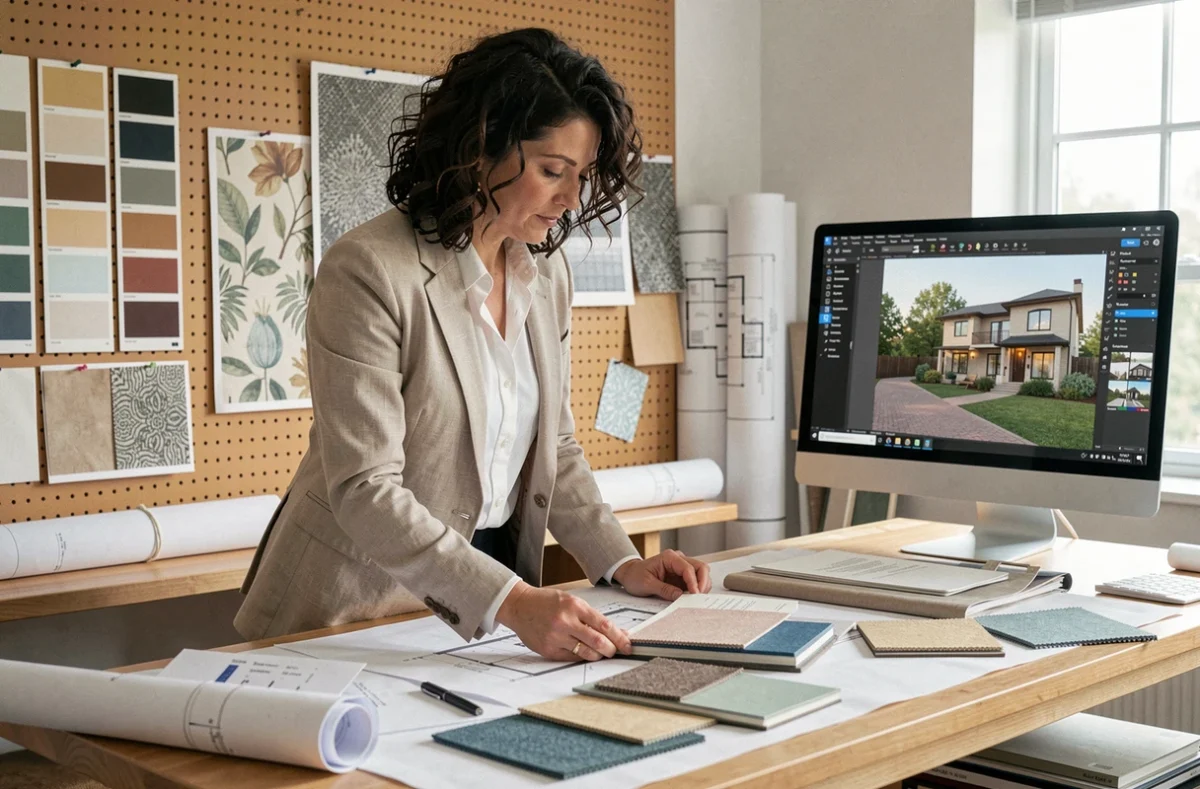
Second-hand is no longer just about textiles. The second-hand furniture market is structuring itself, with specialized platforms professionalizing resale. According to Xerfi, second-hand is reshaping the furniture market by capturing an increasing share of furniture purchases.
On the ground, we observe two buyer profiles. The first seeks a vintage piece for its character (a 60s sideboard, an industrial light). The second simply wants a functional piece of furniture at a reduced price. Both contribute to a decor trend where mixing eras becomes the norm rather than the exception.
This dynamic also pushes new manufacturers to react. Several brands now offer ranges that integrate recycled materials into the very structure of the furniture. Particle boards made from reclaimed wood, upholstery fabrics from recycled fibers, countertops made from crushed glass: these materials are no longer curiosities at trade shows.
- Recycled wood-based panels are gradually replacing standard panels in entry-level kitchens and wardrobes
- Wall coverings incorporate recovered textile fibers, altering their texture and acoustic performance
- Bio-based resins are beginning to compete with petrochemical resins in flooring finishes, with a matte appearance that directly influences the style of the rooms
Color trends and interior design: the return of earthy tones
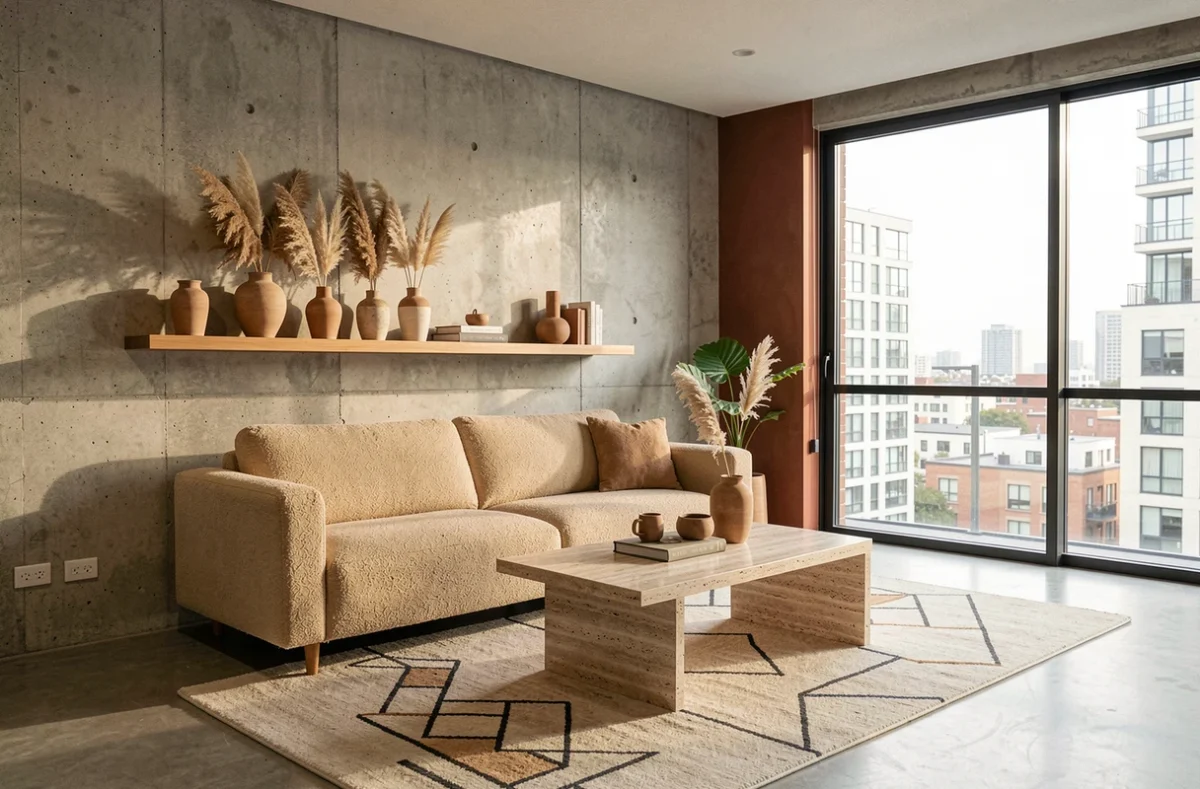
Trade shows in 2025-2026 confirm a movement that has been underway for several years: earthy colors and muted tones dominate the new collections. Terracotta, ochre, sage green, tobacco brown. These shades work well with raw materials (wood, stone, polished concrete) and adapt well to spaces where natural light varies throughout the day.
This choice is not purely aesthetic. Feedback varies on this point, but several interior architects report that saturated hues (Klein blue, lemon yellow) tire more quickly in everyday living spaces. Warm neutral tones provide a stable base that can evolve with textile accessories or occasional decorative objects.
The role of matte finishes in the perception of spaces
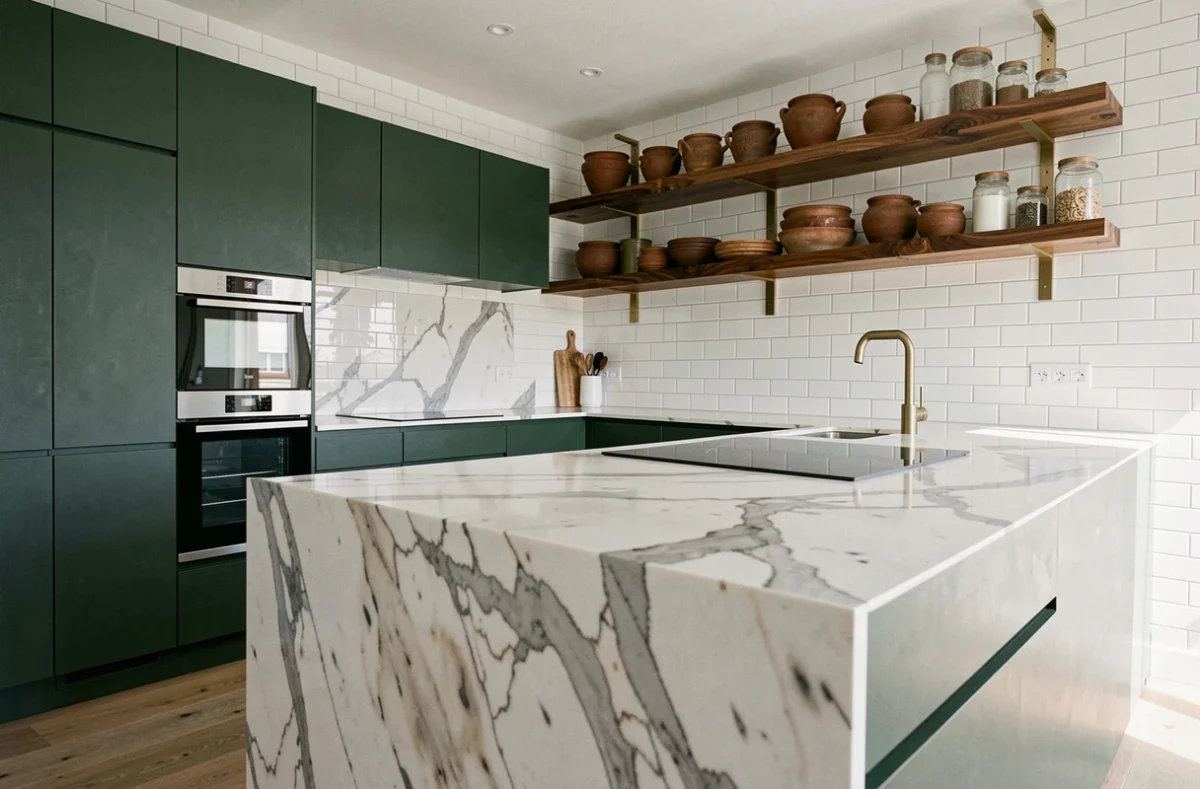
Matte paints and textured coatings are gaining ground against satin finishes. A matte finish absorbs light instead of reflecting it, which softens surface imperfections and gives a sense of depth to walls. In small Parisian spaces or older apartments with uneven walls, it is a pragmatic as well as decorative choice.
Ceramic manufacturers are following the same direction. Large-format tiles with a matte surface, sometimes slightly structured, are replacing glossy tiles in bathrooms and kitchens. Maintenance requires a bit more attention, but the visual result integrates better into a decor coherent with natural wood or brushed metal furniture.
Home automation and connected living: integrating technology without disrupting decor
The question is no longer whether to install connected devices, but how to make them invisible in a well-kept interior. Thermostats, air quality sensors, smart plugs, and switches are multiplying. Their design is improving, but their accumulation creates a concrete problem: boxes, cables, and Wi-Fi repeaters clutter furniture and countertops.
The solutions that work best on the ground involve embedding. Home automation modules are integrated into electrical panels, flush switches that blend into the wall are chosen, and repeaters are hidden in niches designed from the outset. It is a matter of anticipation, not catch-up.
- Plan for cable runs during any wall renovation, even if no connected equipment is installed immediately
- Favor low-profile wireless protocols (Thread, Matter) that reduce the number of repeaters needed
- Choose switches and plugs whose design aligns with the existing range of fixtures, rather than adding external modules
The decoration and housing sector is evolving under dual pressure: regulatory on one side, with public aids guiding equipment and thus the layout of rooms, and cultural on the other, with a growing demand for sustainable materials and soothing shades. Every technical choice, from the DPE coefficient to the finish of a ceramic tile, ultimately translates into a decor decision.